
Blog


The broad-based organizing of faith groups has a lot to offer labor: deep relational practice, moral authority, and a base of power that reframes economic fights in terms that cut across partisan lines.
The idea of providing a “universal basic income” for every U.S. resident is gaining traction with the rise of AI. But even that much-needed money might not guarantee much of a life to people who live in neighborhoods with dirty air and water, insufficient housing, and — yes — not enough transportation options to access to all the things they need.
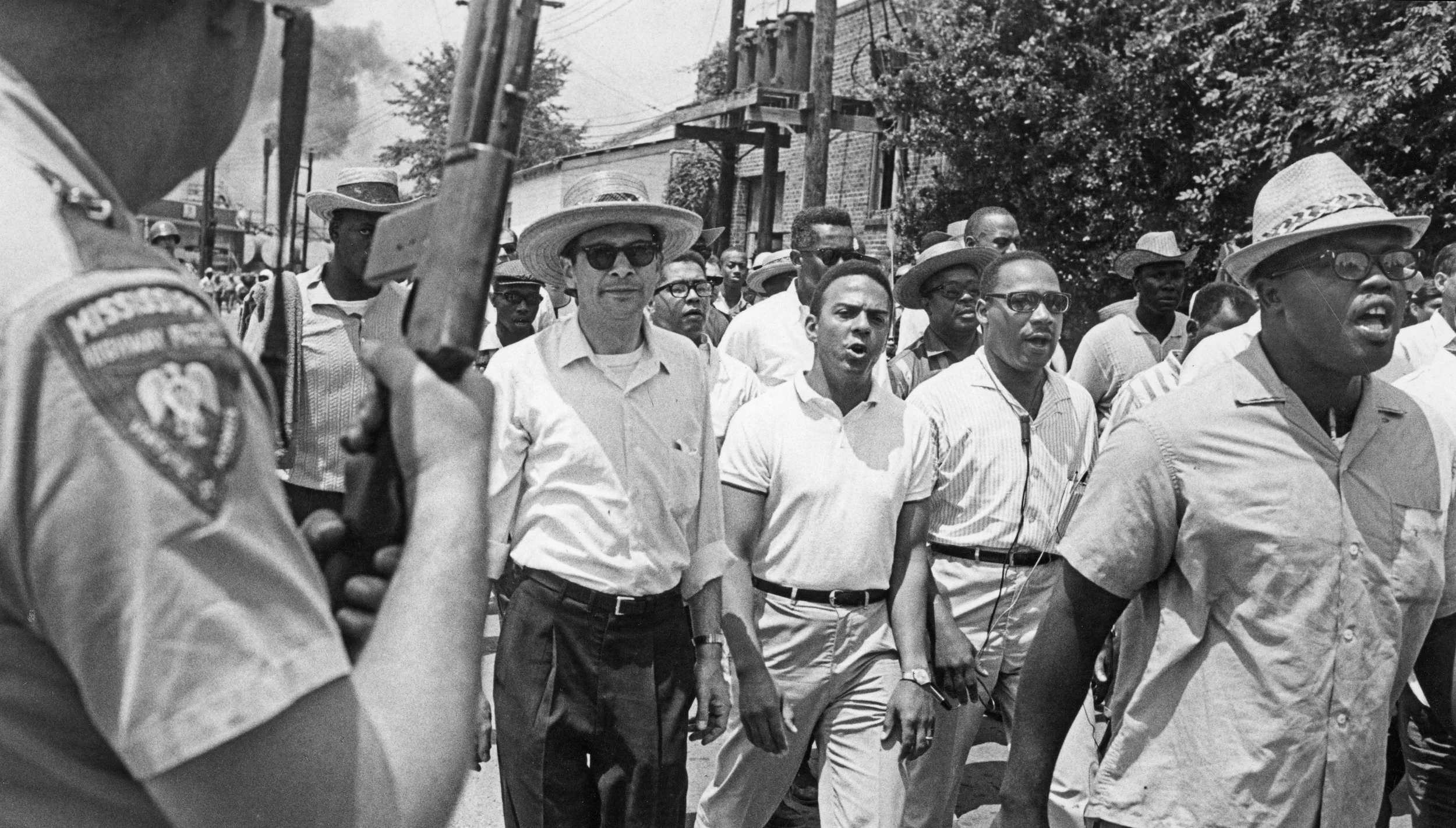
This defense of nonviolent resistance appeared in Liberation as a response to an essay by North Carolina NAACP leader Robert F. Williams that challenged the strategy of “turn-the-other-cheekism” in the face of racist terror.1 In his September article, Williams had argued that “nonviolence is a very potent weapon when the opponent is civilized, but nonviolence is no match or repellent for a sadist.”2